Postpartum Anxiety: The Symptoms Lake Dunlap New Mothers Overlook
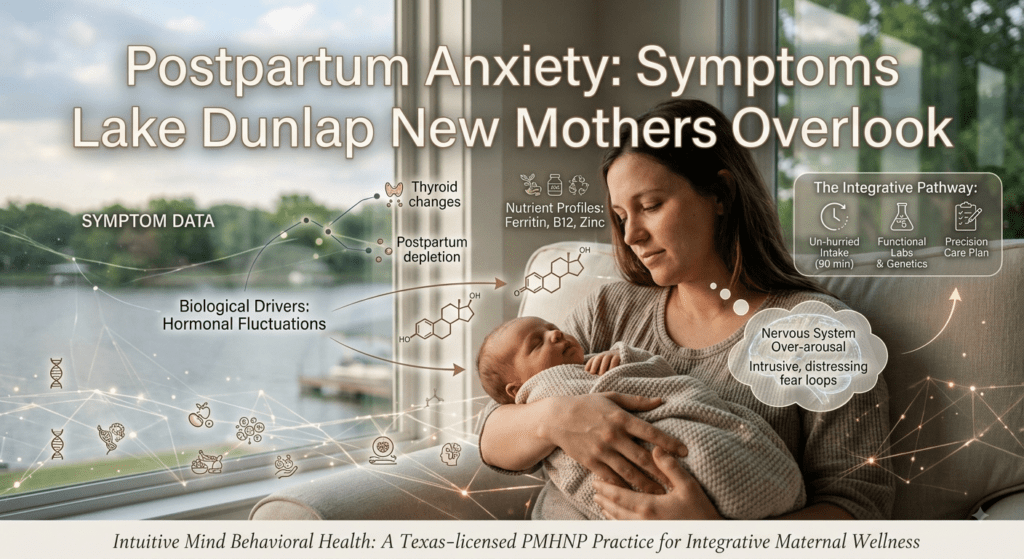
Understanding Maternal Wellness in Lake Dunlap, Texas Bringing a new baby home along the waters of Lake Dunlap brings immense joy, but the transition into motherhood also involves massive biological, physical, and emotional shifts. While popular discussions focus heavily on postpartum depression, postpartum anxiety (PPA) is equally prevalent—and far more frequently overlooked. New mothers often dismiss their overwhelming worry as “normal motherly instincts” or “just being extra cautious.” Understanding where normal maternal care crosses into clinical anxiety is critical for restoring your well-being, nervous system balance, and peace of mind. 5 Subtle Symptoms of Postpartum Anxiety Overlooked by New Mothers If you are experiencing any of the following symptoms consistently for more than two weeks, your body and mind may be signaling a need for maternal mental health support: 1. Inability to Sleep When the Baby Sleeps When someone suggests “sleep when the baby sleeps,” does your mind keep racing? Mothers with PPA often feel a persistent surge of adrenaline the moment their head hits the pillow, keeping them trapped in a state of high alert. 2. Terrifying Intrusive Thoughts PPA can bring unwanted, intrusive visual thoughts or fears regarding accidental harm happening to the infant. Because mothers feel guilt or shame about these thoughts, they rarely speak them aloud—unaware that intrusive thoughts are a classic, treatable symptom of perinatal anxiety. 3. “Mom Rage” and Irritability Anxiety does not always look like worry; it frequently manifests as severe agitation, sudden outbursts, or feeling constantly on the verge of snapping due to sensory overload and nervous system exhaustion. 4. Hyper-Vigilance and Avoidance Checking the baby’s breathing constantly, refusing to let trusted partners or family members assist, or avoiding leaving the house out of fear that something terrible will happen are key behavioral signs of clinical anxiety. 5. Unexplained Somatic & Physical Distress Postpartum anxiety frequently manifests physically. Look out for chronic neck and shoulder tension, tight chest, racing pulse, persistent dizziness, nausea, or digestive issues that doctors cannot fully explain. Symptom Comparison: Normal Transition vs. Postpartum Anxiety Area Normal Postpartum Shift Postpartum Anxiety Signal Sleep Quality Tired, but falls asleep when given the chance Exhausted, but lying awake with racing thoughts Thought Patterns Occasional standard safety concerns Repetitive, terrifying intrusive thoughts Physical Feeling General tiredness and healing soreness Palpitations, chest tightness, constant physical tension Control & Care Welcomes help from family or partner Feels compelled to control every detail due to deep fear An Integrative Approach to Maternal Mental Health Standard psychiatric visits often focus solely on immediate symptom masking. However, perinatal wellness requires a comprehensive approach that honors the intricate connection between maternal hormones, nutrition, sleep, and emotional health. At Intuitive Mind Behavioral Health, located just minutes from Lake Dunlap in New Braunfels, we provide holistic, personalized care tailored specifically for mothers and women experiencing perinatal mood disruptions. Our 90-minute initial intake provides an unhurried, empathetic space to explore your full health history. We order targeted functional blood work to evaluate iron levels (ferritin), thyroid function, and nutrient status—all of which are frequently depleted postpartum and directly drive anxiety symptoms. When medication management is appropriate, we offer GeneSight® pharmacogenomic testing to identify how your body processes psychiatric medications, avoiding unnecessary trial-and-error during an already sensitive time. Learn more about our dedicated care approaches by visiting our pages on anxiety care services, depression care, mood disorder treatment, and bipolar disorder care. “Mothers deserve to be heard, held, and supported—not rushed through a diagnosis or left to carry postpartum distress alone.” — Lydia Kimeli-Pope, MSN, PMHNP-BC Read more about our practice values and background on our about page. If you or a mother you know is experiencing an immediate mental health crisis, support is available around the clock. Contact the 988 Suicide & Crisis Lifeline by calling or texting 988, or reach out to the National Maternal Mental Health Hotline at 1-833-TLC-MAMA (1-833-852-6262). For additional maternal mental health resources, visit Postpartum Support International (PSI) or the Substance Abuse and Mental Health Services Administration (SAMHSA). Why Guadalupe & Comal County Mothers Choose Intuitive Mind Behavioral Health Intuitive Mind Behavioral Health is led by Lydia Kimeli-Pope, MSN, PMHNP-BC—a Board-Certified Psychiatric Mental Health Nurse Practitioner specializing in compassionate, whole-person care for women and families. Located in New Braunfels, our clinic serves families across Lake Dunlap, Seguin, Marion, San Marcos, and surrounding Guadalupe County communities. Connect with us directly through our contact page to schedule your evaluation. Step-by-Step Pathway to Maternal Care Getting connected with compassionate psychiatric care is simple and supportive. Restore Your Peace of Mind and Nervous System Balance You do not have to navigate the weight of postpartum anxiety on your own. Compassionate, root-cause care is available right near Lake Dunlap. Take the first step toward healing today: We proudly serve mothers and families in Lake Dunlap, McQueeney, New Braunfels, Seguin, and across Texas. This content is educational and does not substitute for formal clinical evaluation or medical advice. Always consult a licensed healthcare provider regarding your physical or mental health. About the Author Intuitive Mind Behavioral Health — Lydia Kimeli-Pope, MSN, PMHNP-BC Board-Certified Psychiatric Mental Health Nurse Practitioner Intuitive Mind Behavioral Health provides integrative psychiatric care for women, mothers, teens, and adults across Lake Dunlap, Guadalupe County, Comal County, and statewide via telehealth. We combine evidence-based psychiatric medicine with functional lab testing, nutritional wellness, and pharmacogenomic precision care. 📞 (830) 302-4097 🌐 intuitive-mind.com 📍 387 W. Mill St. Suite 106, New Braunfels, TX 78130 Accepting new patients. Free 15-minute consultations available.
Postpartum Anxiety: The Symptoms Lake Dunlap New Mothers Overlook Read More »