Back-to-School Anxiety: Helping Laredo Kids Cope
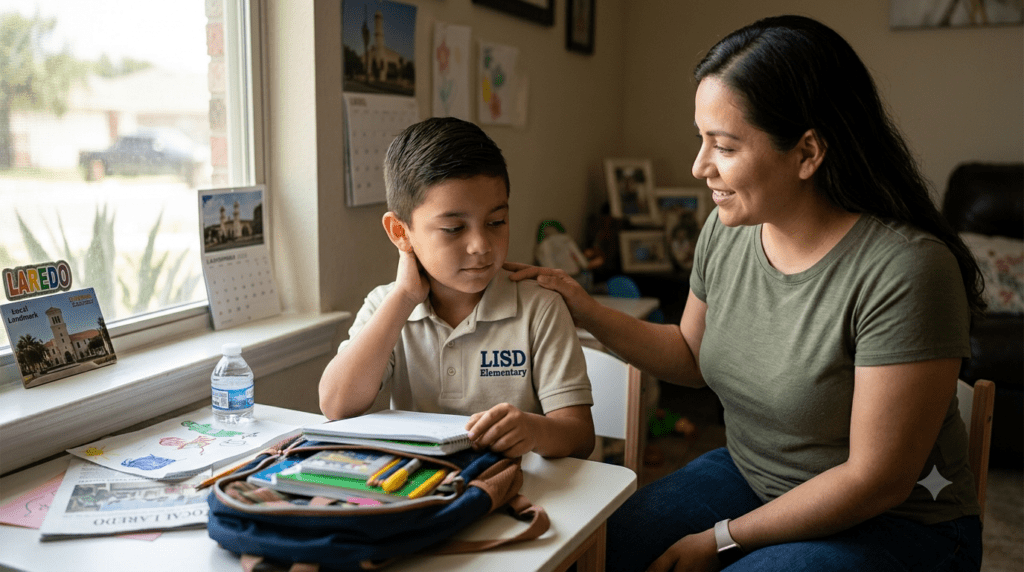
Understanding Back-to-School Anxiety in Laredo The annual transition back to the classroom brings excitement, but for many children and teenagers across Laredo—whether attending LISD, UISD, or local private schools—it also triggers intense worry and apprehension. Back-to-school anxiety is a common reaction to major routine shifts, heightened academic demands, and social pressures. While mild nervous anticipation usually fades within a week or two, persistent or worsening anxiety can derail learning, disrupt family routines, and lead to chronic school refusal. Recognizing the Signs of School-Related Stress Children often lack the vocabulary to say, “I am feeling overwhelmed by anxiety.” Instead, mental distress presents through physical and behavioral cues. Common Symptoms by Category Normal School Jitters vs. Clinical Anxiety Behavior / Indicator Normal Back-to-School Jitters Clinical Anxiety / School Refusal Duration Resolves within 1 to 2 weeks of establishing a routine Persists beyond 3 to 4 weeks or escalates over time Physical Impact Occasional butterflies before the first day Frequent somatic complaints (vomiting, panic symptoms) School Attendance Attends school despite feeling slightly nervous Consistently refuses to go or leaves early via the nurse’s office Academic & Social Impact Engages normally with friends and coursework Significant decline in grades, social withdrawal, or distress Actionable Coping Strategies for Laredo Families Parents can implement low-pressure, supportive measures at home to help regulate a child’s nervous system before and during the school year: Integrative Telehealth Psychiatric Care for Youth When home strategies are not enough and anxiety continues to disrupt daily functioning, professional guidance provides clarity and structure. At Intuitive Mind Behavioral Health, we offer compassionate, integrative psychiatric care for children, teens, and families across Laredo and Webb County via secure telehealth. Our Comprehensive Approach Led by Lydia Kimeli-Pope, MSN, PMHNP-BC, our virtual practice focuses on understanding the root causes of anxiety—combining biological, lifestyle, and psychological perspectives. Our extended 90-minute initial consultations ensure ample time to listen to your child and family’s unique story. When medication management is recommended, we utilize functional lab work and GeneSight® pharmacogenomic testing to guide personalized treatment decisions safely. Learn more about our dedicated clinical services on our specialized pages for anxiety care services, depression care, mood disorder treatment, and bipolar disorder care. “Children rarely express anxiety the way adults do. By looking at physical symptoms, routines, and biological health together, we can give kids the tools they need to feel safe and confident.” — Lydia Kimeli-Pope, MSN, PMHNP-BC Discover more about our practice values and virtual clinical model on our about page. If your child or family is experiencing an acute crisis or thoughts of self-harm, immediate help is available. Contact the 988 Suicide & Crisis Lifeline by calling or texting 988 for free, 24/7 support. For additional clinical education on pediatric anxiety and developmental health, visit the National Institute of Mental Health (NIMH) or the Substance Abuse and Mental Health Services Administration (SAMHSA). Why Laredo Families Trust Intuitive Mind Families across Laredo, San Antonio, and throughout Texas depend on Intuitive Mind Behavioral Health for attentive, modern psychiatric care without long travel times. Connect with our virtual care team today through our contact page to schedule an evaluation. Simple Steps to Begin Virtual Care Getting started with telehealth psychiatric support for your child is direct and stress-free. Help Your Child Thriving This School Year Back-to-school stress doesn’t have to define your child’s academic journey. Professional, compassionate virtual psychiatric support is available right here in Texas. We proudly serve children, adolescents, and adults throughout Laredo, Texas, and New Mexico via telehealth. This content is for educational purposes and does not replace formal clinical evaluation or medical advice. Always consult a licensed healthcare professional regarding your child’s physical or mental health needs. About the Author Intuitive Mind Behavioral Health — Lydia Kimeli-Pope, MSN, PMHNP-BC Board-Certified Psychiatric Mental Health Nurse Practitioner Intuitive Mind Behavioral Health provides integrative psychiatric telehealth care for children, teens, and adults across Texas and New Mexico. We blend evidence-based psychiatric medicine with functional lab testing, lifestyle wellness, and pharmacogenomic precision care. 📞 (830) 302-4097 🌐 intuitive-mind.com 📍 Virtual Telehealth Services Accepting new patients. Free 15-minute consultations available.
Back-to-School Anxiety: Helping Laredo Kids Cope Read More »